Over the last 10 years, the boundary separating affiliate marketing from direct selling vanished.
You see companies like Avon, Nu Skin, and Bellame rolling out affiliate models across their networks. They did not launch these programs as casual experiments. They built them to stop dropping customer counts and reverse declining field revenue. When billion-dollar direct selling giants make that shift, your company is already running behind schedule.
The strategy makes practical sense. Both channels rely on word-of-mouth recommendations, performance cash rewards, and independent sellers. A creator sharing a makeup routine on Instagram uses the exact social mechanics your top distributors used in living room presentations thirty years ago.
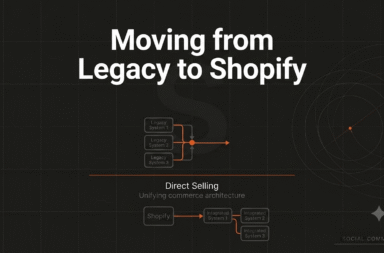
The main issue is the software stack. Legacy direct selling platforms grew out of a different era of spreadsheets, paper receipts, and rigid genealogy trees. Modern affiliate marketing requires server-side attribution, flexible tracking windows, instant link creation, and one-tap mobile checkout. When you paste an affiliate tier onto rigid software, the system buckles.
The Friction Creators Refuse to Tolerate
Creators move fast. They shoot a fifteen-second video, drop a link in their profile bio, and check their smartphone between errands to see what sold.
If your onboarding flow forces that creator through a six-page distributor agreement, demands a social security number before they sell a single tube of mascara, or forces them to log into a separate back-office portal just to grab a link, they leave. They open another app. They join an Amazon or TikTok Shop program in under two minutes. You lost them before they shared a single product.
The platform fails when the link actually works. A creator sends ten thousand clicks to your website from a viral post on a Friday night. Your server chokes under the sudden traffic spike. Your checkout cart forces the buyer to create a password, find a local distributor from a dropdown menu, and confirm their home address across three different browser screens.
Shoppers abandon the order. The creator sees zero sales in their dashboard. They assume your company stole their commissions. They delete the link.
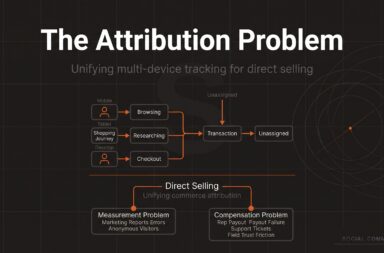
Standard browser cookies make the problem worse. Apple privacy updates, private browsing windows, and browser extensions routinely strip out client-side tracking tags. The sale processes, but your software records it as an unassigned corporate purchase. The creator gets nothing, the distributor gets mad, and your customer service team spends Monday morning manually editing database rows in a spreadsheet to stop a public relations disaster on Facebook. Messy tech destroys field trust.
Three Omnichannel Traps That Break Field Compensation
Launching an affiliate tier without fixing your e-commerce infrastructure creates corporate friction inside your corporate office and out in the field. You have to resolve three structural conflicts before you announce an affiliate tier on stage:
1. Dual-Track Attribution Conflicts
A traditional distributor spends five months introducing your nutritional supplement to a neighbor. That neighbor later clicks an affiliate link from a fitness creator offering a ten percent weekend discount code.
If your shopping cart assigns volume strictly by last-click tracking, the digital creator takes the retail commission. You just stripped income from the distributor who built the relationship. If your cart defaults strictly to the original distributor, the creator stops posting about your products.
Your database must manage split attribution, customer locking rules, and hybrid payouts without manual intervention from your accounting staff.
2. Tracking Windows versus Monthly Qualification Deadlines
Affiliate networks run on cookie windows, paying out on clicks completed within fourteen to thirty days. Direct selling compensation engines run on strict calendar months, monthly volume requirements, and rank qualification cycles.
A customer clicks an affiliate link on August 28, but completes the purchase on September 3. If your software cannot normalize external tracking windows against your internal monthly volume schedules, your field leaders miss rank qualifications. Your accounting staff spends days untangling discrepancies before monthly payout runs.
3. Checkout Friction Kills Social Conversions
Every extra form field on a mobile checkout screen reduces order completion. Traditional direct selling carts average five to eight friction points, including forced registration, sponsor lookups, autoship checkboxes, and separate shipping addresses.
Affiliates demand the checkout standards of Shopify and Amazon. If a customer cannot buy a product through Apple Pay or Shop Pay in two taps, your customer acquisition cost spikes while your conversion rate drops.
Questions to Pressure-Test Omnichannel Before You Launch
Review your technical setup with your engineers before signing off on an affiliate rollout:
- Can your database handle transactions where both a field distributor and a digital affiliate touch the same customer?
- Does your link tracking process on your servers, or does it rely on fragile browser cookies that ad-blockers delete?
- Can a creator sign up, generate a referral link, and share a cart in under two minutes from a phone?
- How many clicks does a customer make between clicking a link in a social bio and completing payment?
- Does external sales volume flow into your core commission engine without manual spreadsheets?
The affiliate opportunity in direct sales is real. The creator demand is real.
Launching an affiliate program on software designed for linear networks causes field conflict, broken attribution, and wasted money. Fix your commerce infrastructure first. The growth follows the foundation.